



Buying Used Steel Containers: What to Watch Out For
Over the years, I’ve helped hundreds of clients find, inspect, and modify used steel shipping containers for everything from storage to custom offices. I can tell you from firsthand experience—buying a used steel container can be one of the most cost-effective decisions you make for your business, but only if you know what to look out for.
My name is Steve Holland. I hold a Master’s degree in Architecture from Duke University, and I’ve spent the past 17 years working in the shipping container space. As the owner of a container supply and modification business in North Carolina, I’ve seen every type of container condition imaginable—some solid and reliable, others barely worth the cost of delivery.
So before you jump into a purchase, let me walk you through what you need to know when buying a used steel storage container—and the red flags that could cost you more down the line.
Why Buy Used Steel Containers?
First, let’s cover why people opt for used containers in the first place. It mostly comes down to cost and availability. Used containers are significantly cheaper than brand-new units—sometimes by thousands of dollars—and can often be delivered faster. They’re perfect for:
-
Job site storage
-
Inventory overflow
-
Temporary workshops
-
Secure tool storage
-
Modified office or retail projects
But not all used containers are created equal. Their condition depends heavily on how they were used (or abused), stored, and maintained.
Understand the Container’s Grade
Used steel containers typically fall into a few condition categories:
One-trip containers – These have only made a single overseas trip. They’re technically used but in near-new condition. Expect minimal wear and a much higher price tag.
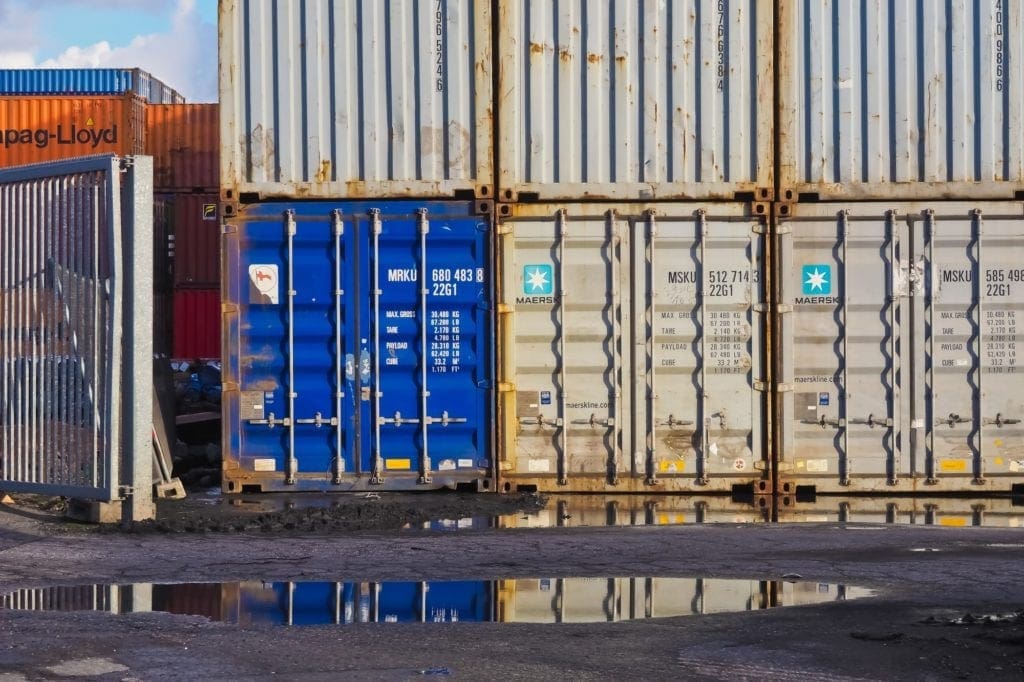
Cargo-worthy containers – These are still structurally sound and certified for shipping. Dents and surface rust are common, but they pass inspection for international transport.
Wind and watertight (WWT) – These containers aren’t certified for shipping but will still keep your belongings protected from the elements. Most used storage containers fall into this category.
As-is containers – The most affordable—and riskiest—option. These may have holes, floor damage, or structural issues. They’re best for experienced buyers or for scrap and repurposing.
If you’re planning to store anything sensitive or valuable, I generally recommend sticking with WWT or cargo-worthy at minimum.
Inspect the Container in Person (If You Can)
If you’re buying locally, always try to view the container in person before committing. If that’s not an option, ask for recent, high-resolution photos of all sides, the interior, and the roof. And don’t be afraid to ask direct questions.
Here’s what I look for when inspecting used containers:
-
Roof damage – Dents or soft spots on top can collect water and eventually lead to leaks. Even minor dents can signal long-term wear.
-
Doors and seals – Make sure the doors open and close properly, and the rubber gaskets are intact. Faulty doors are one of the most common repair issues.
-
Floor condition – Steel containers have marine-grade plywood floors. Look for rot, soft spots, or major oil stains, especially if the container was used for chemicals or machinery.
-
Rust and corrosion – Surface rust is common and usually harmless. But if you see rust holes or deeply pitted steel, that’s a red flag.
-
Odor – A musty or chemical smell could signal mold or past storage of hazardous materials.
Know the Seller
There’s no shortage of online resellers out there, but not all are created equal. Choose a reputable supplier or container yard—preferably one that specializes in used containers and provides warranty coverage or return options.
A good seller will:
-
Be transparent about the condition and origin of the container
-
Provide detailed specs and photos before delivery
-
Help arrange delivery logistics
-
Offer modification services if needed
If the price seems too good to be true—or if they rush you into the sale—walk away.

Typical Pricing for Used Steel Containers
One of the first questions I get from buyers is, “How much should I expect to pay for a used container?”
The answer depends on the size, condition, and your local market. But here’s a general guide based on my experience:
-
20-foot WWT container – Typically ranges between $2,000 and $3,500
-
40-foot WWT container – Expect to pay $2,500 to $4,500
-
Cargo-worthy 20-foot container – Usually between $2,800 and $4,000
-
Cargo-worthy 40-foot container – Falls in the $3,500 to $5,500 range
Prices can spike if you’re buying in a port city with high demand or if steel prices are surging. Delivery costs can also add anywhere from $300 to $1,000 depending on distance.
I always tell clients: pay close attention to condition ratings. Sometimes paying a few hundred dollars more for a newer or “one-trip” container will save you thousands in repairs or replacements over time.
Also, don’t forget—modifications, delivery fees, and taxes are usually not included in the sticker price.
Understand Delivery Logistics
Delivery is often the trickiest (and most expensive) part of the process. Ask the seller about delivery fees, lead times, and drop-off requirements before finalizing the purchase.
Make sure:
-
Your site is accessible to a large flatbed or tilt-bed truck
-
The ground is level and firm enough to support the container
-
There’s room to unload and maneuver the container into place
Also, keep in mind that most delivery services don’t include leveling or site prep. That’s on you.
Consider Future Modifications
Even if you’re only planning to use the container for storage now, think about what might change in the future. Used containers are often modified into offices, workshops, mobile clinics, or pop-up retail spaces. If you suspect that could be in the cards later, make sure the container is structurally sound and free of major floor or wall damage.
I always recommend planning for power, ventilation, insulation, and access upgrades if you think you might convert it down the road.
Top Mistakes to Avoid When Buying Used Containers
In my 17 years in this business, I’ve seen buyers make a lot of preventable mistakes. If you’re buying used, these are the biggest traps to watch for:
Skipping the Inspection
If you don’t physically inspect the container—or at least demand detailed photos—you’re asking for trouble. Surface rust is okay, but hidden structural damage or leaks can turn your “deal” into a liability.
Not Checking the Doors
Doors are one of the most important—and most overlooked—parts of a container. Always check that they open, close, and seal properly. Door repairs can be expensive and frustrating.
Ignoring the Roof
A container’s roof takes the most abuse over its life. Water pooling on a dented or soft roof will eventually cause leaks. If a seller avoids showing you roof photos, that’s a major red flag.
Forgetting About Delivery
Some buyers think renting a crane or forklift is no big deal until they see the cost. Delivery logistics matter. Make sure the seller can arrange proper tilt-bed or flatbed delivery to your site—and that you have a solid, level surface ready.
Going for the Absolute Cheapest Option
I get it—budgets matter. But sometimes the lowest-priced container ends up being a project all by itself. Always weigh the cost of minor repairs, rust treatment, repainting, and delivery when you’re comparing prices.
Final Thoughts
Used steel containers can offer years of secure, weatherproof storage when sourced correctly. But a bargain isn’t a bargain if the container is full of hidden problems. A little due diligence goes a long way.
My best advice? Take your time. Ask for photos. Work with a reputable supplier. And remember—you’re not just buying a box. You’re buying protection, peace of mind, and in many cases, a future workspace.
About the Author
Steve Holland holds a Master’s in Architecture from Duke University and has been a leader in shipping container design and modification for over 17 years. As a writer and editor for Tuff Shipping Containers and the owner of a successful container business in North Carolina, Steve specializes in custom container solutions, cold storage applications, and industrial container modifications.

Leave a Reply